
Ovarian hyperstimulation syndrome (OHSS) is a possible complication of fertility treatment, particularly in people undergoing in vitro fertilisation (IVF). It occurs when the ovaries respond more strongly than expected to fertility medicines, causing them to enlarge and, in some cases, allowing fluid to leak from blood vessels into the abdomen and other body spaces.
While many cases are mild and resolve with appropriate monitoring and supportive care, moderate or severe OHSS can lead to dehydration, reduced kidney function, breathing difficulties and blood clots. Recognising the warning signs early can help patients receive timely medical attention and reduce the risk of complications.
If you are preparing for IVF, have recently had an egg collection or are concerned about symptoms after fertility treatment, understanding OHSS can help you know what to expect and when to seek medical advice.
This guide explains what ovarian hyperstimulation syndrome is, what causes it, who may be at risk, its symptoms, available treatments and how long recovery may take.
Important: If you are undergoing fertility treatment and experience chest pain, difficulty breathing, fainting, severe abdominal pain or significantly reduced urine output, seek urgent medical assessment. Do not wait for a routine appointment or rely on an online article to determine whether your symptoms are serious.
What Is Ovarian Hyperstimulation Syndrome (OHSS)?
Ovarian hyperstimulation syndrome is a complication that can develop when fertility medicines stimulate the ovaries to produce multiple eggs. It is most commonly associated with IVF and other fertility treatments that involve ovarian stimulation.
During a typical IVF cycle, fertility medicines encourage several ovarian follicles to develop. These follicles contain immature eggs that may later be collected during an egg retrieval procedure.
Sometimes, the ovaries respond excessively to the medication. Substances released during this process, particularly vascular endothelial growth factor (VEGF), can increase the permeability of blood vessels. This allows fluid to move from the bloodstream into surrounding tissues and body cavities.
As a result, the ovaries may become enlarged, fluid may accumulate in the abdomen, and the amount of circulating fluid within the blood vessels may decrease.
In more serious cases, OHSS can affect the kidneys and lungs and increase the risk of thrombosis, which is the formation of blood clots.
According to the Royal College of Obstetricians and Gynaecologists (RCOG), OHSS can range from a mild, self-limiting condition to a serious complication requiring hospital treatment.
You can read the 2026 RCOG guideline on the management of ovarian hyperstimulation syndrome for further clinical information.
What Causes OHSS During Fertility Treatment?
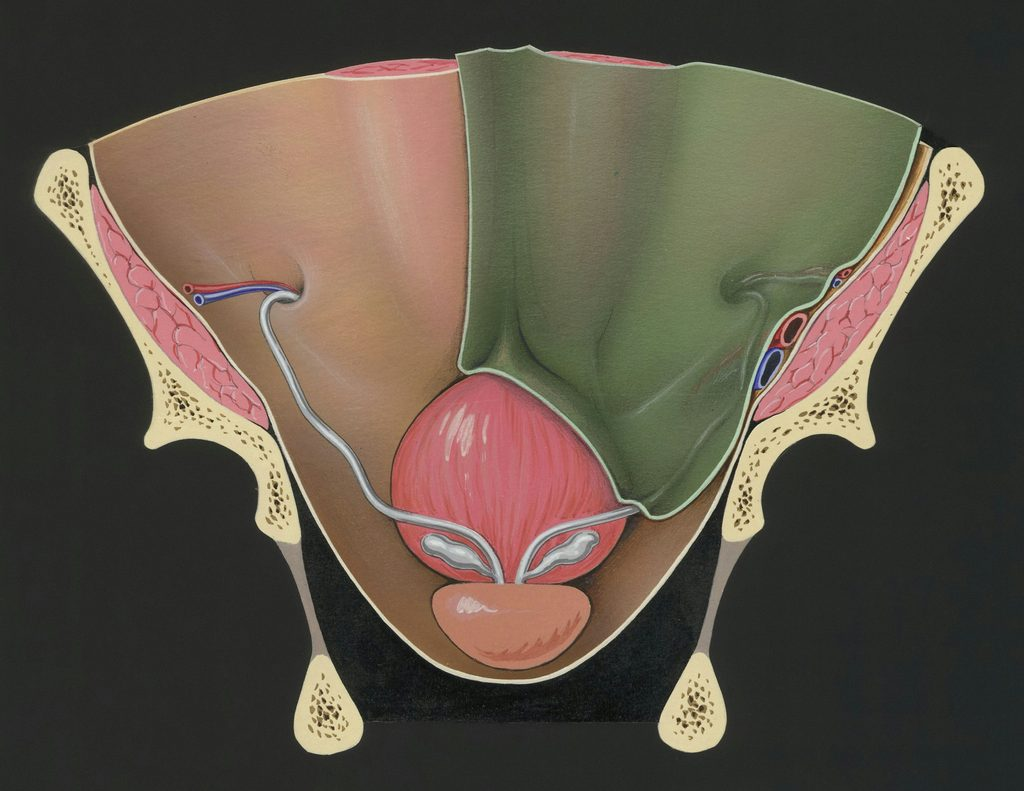
The main cause of OHSS is an excessive ovarian response to fertility stimulation medicines.
During IVF, medications containing follicle-stimulating hormones encourage the development of multiple follicles. A trigger injection, which may contain human chorionic gonadotrophin (hCG), is then used to support the final maturation of the eggs.
In susceptible patients, the hormonal response can trigger changes in the blood vessels that cause fluid to leak into the abdomen and, in severe cases, other spaces around the body.
Several factors can contribute to the development of OHSS.
1. Fertility stimulation medicines
Medicines used to stimulate the ovaries can sometimes produce a stronger response than anticipated. The risk depends on the medication protocol, the dose, the individual’s ovarian reserve and how the ovaries respond during treatment.
2. The hCG trigger injection
OHSS is often associated with hCG, which may be used to trigger final egg maturation. The condition can develop after the trigger injection and may become more pronounced if pregnancy occurs.
3. A high ovarian response
People who develop many follicles or have a high number of eggs collected may have a greater risk of OHSS. This is why fertility specialists monitor the response to ovarian stimulation throughout the treatment cycle.
4. Pregnancy following fertility treatment
If pregnancy occurs, the body produces hCG. This hormone can stimulate the processes involved in OHSS, potentially worsening symptoms or prolonging the condition.
For this reason, OHSS associated with an early pregnancy may last longer than cases that occur without pregnancy.
How Common Is OHSS?
The frequency of OHSS varies depending on the type of fertility treatment, the stimulation protocol and the patient’s individual risk factors.
The 2026 RCOG guideline advises that patients should be informed that OHSS affects approximately 3–6% of people undergoing fertility treatment, although estimates vary and the true incidence is uncertain.
Mild cases may be underreported, while severe and critical cases are much less common.
In the UK, 66 severe or critical cases were reported in 2021–2022, representing fewer than 0.1% of IVF cycles.
These figures relate to UK reporting and should not automatically be applied to every fertility clinic or country.
The important point is that although serious OHSS is uncommon, anyone receiving ovarian stimulation should understand the symptoms and know how to contact their fertility team.
Who Is at Risk of Developing OHSS?
OHSS can affect anyone undergoing fertility treatment involving ovarian stimulation. However, some people have a higher risk.
Risk factors include:
- Polycystic ovary syndrome (PCOS): People with PCOS may have a greater number of follicles and can respond strongly to ovarian stimulation.
- High ovarian reserve: A high anti-Müllerian hormone (AMH) level or a high antral follicle count may indicate an increased risk of an excessive response.
- Previous OHSS: Having experienced the condition during an earlier fertility cycle can increase concern about recurrence.
- Younger age: Younger patients may be more likely to have a strong ovarian response.
- A high number of developing follicles: Producing many follicles during stimulation can increase the risk.
- A high number of eggs collected: A strong response during egg retrieval may be associated with a higher risk of OHSS.
- Pregnancy following treatment: Pregnancy-related hCG can trigger or worsen symptoms.
- Multiple pregnancy: A pregnancy involving more than one embryo can produce higher levels of hCG and may contribute to prolonged or more severe OHSS.
Having one or more of these risk factors does not mean that OHSS will definitely occur. Your fertility specialist can assess your individual risk and adjust your treatment plan where appropriate.
What Are the Symptoms of OHSS?
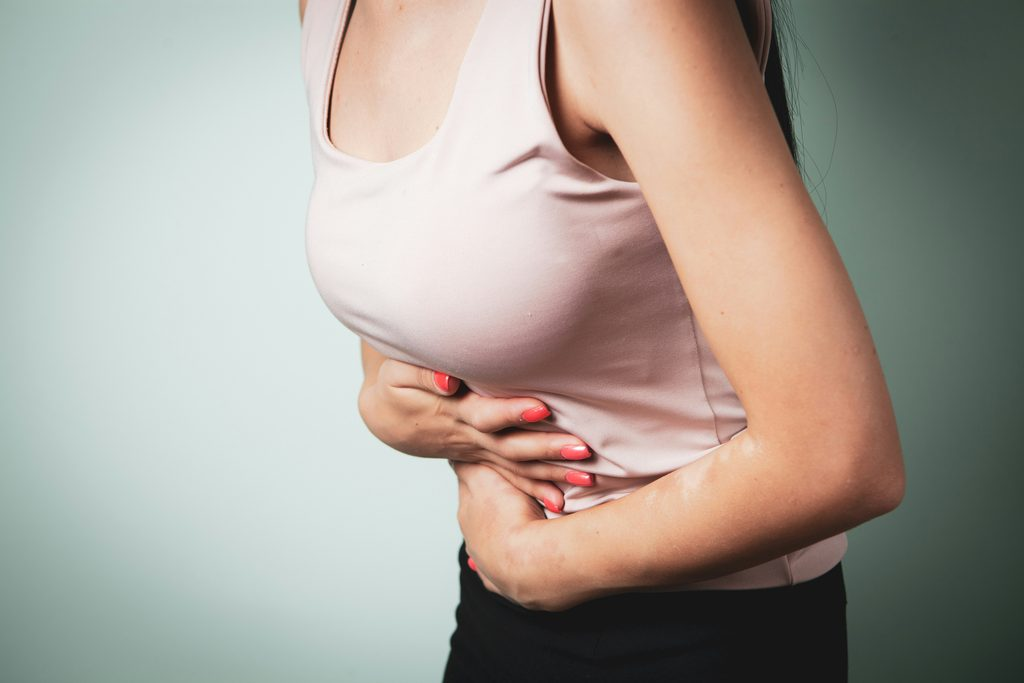
OHSS symptoms can begin after ovarian stimulation or egg retrieval and may range from mild discomfort to symptoms requiring urgent medical attention.
Some abdominal discomfort and bloating can occur following egg collection. However, symptoms that become progressively worse should not be dismissed as a normal part of IVF.
Common symptoms include:
- Abdominal bloating or swelling
- Increasing abdominal size
- Abdominal pain or discomfort
- Nausea
- Vomiting
- Diarrhoea or constipation
- Rapid weight gain over a short period
- Increased thirst
- Passing less urine than usual
- Dark or concentrated urine
- Swelling of the legs or genital area
- Dizziness or light-headedness
More serious symptoms may include:
- Difficulty breathing, particularly when lying down
- Chest pain
- Fainting
- Severe or worsening abdominal pain
- Markedly reduced urine output
- Pain, tenderness or swelling in one leg
These symptoms may indicate severe OHSS or another medical emergency, including a blood clot.
When should you seek medical help?
Contact your fertility clinic promptly if you develop increasing bloating, abdominal pain, persistent nausea, vomiting, rapid weight gain or changes in urination after fertility treatment.
Seek urgent medical assessment for chest pain, difficulty breathing, fainting, severe abdominal pain or a painful, swollen leg.
If your fertility clinic is unavailable, attend an emergency department or contact your local emergency medical service as appropriate. Tell the healthcare team that you have recently received fertility treatment.
Do not assume that every symptom is caused by OHSS. Other conditions, including ectopic pregnancy, ovarian torsion, infection and a ruptured ovarian cyst, can cause similar symptoms and may require urgent treatment.
When Does OHSS Usually Start?
The timing of OHSS depends partly on the hormonal events that trigger it.
Early-onset OHSS
Early OHSS generally develops within the first week after the hCG trigger injection. It is usually associated with the ovaries’ response to fertility stimulation.
Symptoms may become noticeable around the time of egg retrieval or during the days that follow.
Late-onset OHSS
Late OHSS typically develops around 10 days or more after the trigger injection and is often associated with pregnancy-related hCG.
This form can be more prolonged and may become more severe because hCG levels can continue to rise during early pregnancy.
The timing is not identical for everyone. If symptoms develop or worsen at any point following fertility treatment, contact your clinical team rather than relying on the timing alone to determine the cause.
What Are the Different Levels of OHSS Severity?
Healthcare professionals classify OHSS according to the symptoms, examination findings and evidence of complications.
The condition is generally described as mild, moderate, severe or critical.
Mild OHSS
Mild OHSS may cause abdominal bloating, discomfort and nausea. The ovaries may be enlarged, but significant complications are absent.
Many mild cases can be managed at home with advice and follow-up from the fertility team.
Moderate OHSS
Moderate OHSS may cause more pronounced abdominal swelling, discomfort and nausea or vomiting. Fluid may accumulate in the abdomen.
Medical assessment is important to determine whether outpatient monitoring remains appropriate.
Severe OHSS
Severe OHSS can involve substantial fluid accumulation, dehydration, concentrated blood, reduced urine output or impaired kidney function. Breathing difficulties may occur if fluid accumulates around the lungs.
Hospital admission may be necessary, depending on the symptoms and clinical findings.
Critical OHSS
Critical OHSS involves life-threatening complications, which may include severe respiratory problems, significant kidney impairment or serious blood-clotting complications.
Patients with critical OHSS require urgent specialist hospital care.
The severity of OHSS cannot be determined reliably from symptoms alone. A clinician must assess the patient’s overall condition and investigation results.
How Is OHSS Diagnosed?
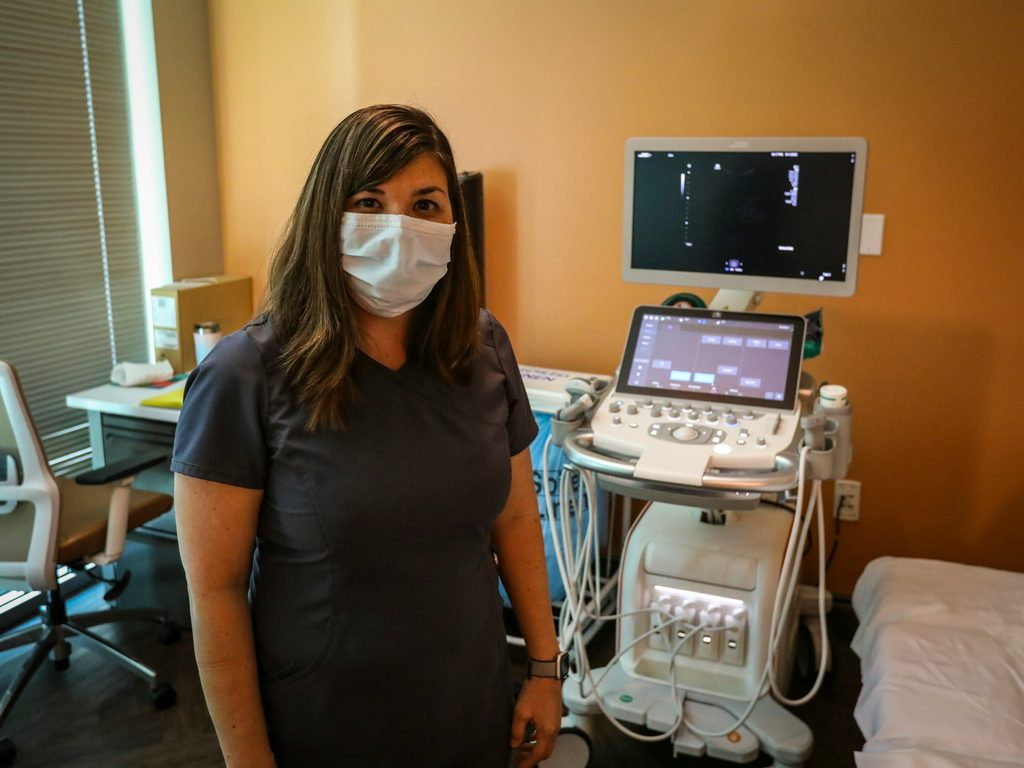
There is no single test that confirms OHSS in every patient. Diagnosis is based on medical history, symptoms, physical examination and appropriate investigations.
Your healthcare team may ask about:
- The fertility medicines you have received
- The date of your trigger injection and egg retrieval
- When your symptoms began
- Changes in your weight and abdominal size
- How much fluid you are drinking
- How often you are passing urine
- Whether you could be pregnant
- Any previous episodes of OHSS or other relevant medical conditions
Tests that may be performed
Physical examination: Your clinician may assess abdominal swelling, tenderness, pulse, blood pressure, breathing and oxygen levels.
Blood tests: These may check blood concentration, kidney function, electrolytes, liver function and other markers relevant to the severity of the condition.
Ultrasound scan: An ultrasound may be used to assess ovarian enlargement and identify fluid in the abdomen.
Urine monitoring: Measuring urine output can help the team assess hydration and kidney function.
Additional imaging: Chest imaging or other investigations may be required if breathing difficulties or alternative diagnoses are suspected.
The purpose of these investigations is to assess the severity of OHSS, monitor changes over time and identify complications that need treatment.
How Is OHSS Treated?
There is no single treatment that immediately reverses OHSS in every patient. Management focuses on relieving symptoms, maintaining safe fluid balance, monitoring organ function and preventing complications while the condition resolves.
The appropriate treatment depends on the severity of the condition and the patient’s individual circumstances.
Managing mild OHSS at home
If your symptoms are mild and your fertility team considers home monitoring safe, you may be advised to:
- Drink fluids according to your thirst rather than forcing excessive amounts.
- Monitor your weight and abdominal swelling as instructed.
- Keep a record of fluid intake and urine output if recommended.
- Remain gently mobile, while avoiding strenuous activity.
- Take only pain relief approved by your healthcare professional.
- Use prescribed anti-sickness medication if needed.
- Attend all follow-up appointments and recommended blood tests.
Avoid strenuous exercise and sexual activity while your ovaries are enlarged and painful, unless your fertility specialist gives you different advice.
Do not start or stop prescribed medicines without discussing the decision with your healthcare team.
Why should some painkillers be avoided?
Non-steroidal anti-inflammatory drugs (NSAIDs), such as ibuprofen, can affect kidney function and may be unsuitable for patients with OHSS.
Ask your clinician which pain relief is appropriate for you. The safest option may depend on your symptoms, other medicines and the severity of the condition.
How often will you need monitoring?
Follow-up depends on the severity of OHSS and whether symptoms are improving.
Your clinical team may arrange repeat examinations, blood tests, ultrasound scans or other monitoring. Patients with more significant symptoms may require more frequent assessment.
Monitoring should continue until the condition has resolved or the clinical team determines that further follow-up is unnecessary.
When Does OHSS Require Hospital Admission?
Hospital treatment may be recommended if your condition cannot be managed safely at home.
Reasons for admission may include:
- Severe or uncontrolled abdominal pain
- Persistent vomiting or inability to maintain adequate fluid intake
- Reduced urine output or evidence of kidney impairment
- Significant dehydration
- Breathing difficulties
- Worsening symptoms despite outpatient management
- Suspected blood clots or other complications
- Difficulty accessing the monitoring and follow-up required for safe outpatient care
Hospital treatment may include intravenous fluids, pain relief, anti-sickness medication, blood tests and close monitoring of urine output, weight, abdominal swelling and vital signs.
Can fluid be drained from the abdomen?
In some cases, fluid accumulates in the abdomen and causes substantial discomfort, breathing difficulties or reduced urine production.
A procedure called paracentesis may be considered to remove this fluid. It involves inserting a needle or catheter into the abdominal cavity, generally with ultrasound guidance.
Removing excess fluid can help relieve pressure and may improve breathing and kidney function in appropriately selected patients.
The decision to perform this procedure depends on the patient’s symptoms, clinical findings and the treating team’s assessment.
Why Does OHSS Increase the Risk of Blood Clots?
One of the more serious complications of OHSS is venous thromboembolism (VTE), which includes blood clots in the deep veins and pulmonary embolism, a clot affecting the lungs.
OHSS can cause fluid to leave the bloodstream, resulting in blood concentration changes and an increased tendency to clot. Reduced mobility, pregnancy and individual clotting risk factors may add to this risk.
Your fertility team may recommend preventive measures such as gentle movement, compression stockings or an anticoagulant medicine, depending on your condition.
Low-molecular-weight heparin is one medicine that may be prescribed to reduce the risk of blood clots. It is not appropriate for everyone, and the decision and duration of treatment should be individualised.
Seek emergency medical attention if you develop chest pain, sudden breathlessness or a painful, swollen leg. These symptoms should not be managed at home while waiting for a routine fertility appointment.
Will OHSS Affect My Embryo Transfer?
A diagnosis of OHSS does not necessarily mean that IVF will be unsuccessful or that you cannot become pregnant.
However, if early OHSS develops before a planned fresh embryo transfer, the 2026 RCOG guideline recommends avoiding the fresh transfer and considering embryo freezing followed by a frozen embryo transfer in a later cycle.
This approach is often called a freeze-all strategy.
By postponing embryo transfer, the fertility team can reduce the risk of pregnancy-related hCG worsening OHSS during the same treatment cycle.
The timing of a later frozen embryo transfer depends on recovery and the patient’s treatment plan. Your fertility specialist can explain the potential benefits, limitations and appropriate timing for your circumstances.
How Long Does OHSS Take to Resolve?
Recovery time varies according to the severity of OHSS and whether pregnancy occurs.
Many cases improve within approximately 7–10 days. Symptoms can persist for longer when pregnancy-related hormones continue to stimulate the processes involved in OHSS.
During recovery, abdominal swelling, discomfort and other symptoms should be monitored according to your clinical team’s instructions.
Contact your fertility clinic if symptoms worsen, fail to improve as expected or return after appearing to settle.
Do not stop follow-up simply because the pain has improved. Your healthcare team may need to confirm that your condition has resolved and that there are no ongoing complications.
Can OHSS Be Prevented?
Although OHSS cannot be prevented in every case, fertility specialists can take steps to reduce the risk.
Preventive strategies may include:
- Assessing ovarian reserve and individual risk factors before treatment
- Monitoring follicle development during ovarian stimulation
- Adjusting medication doses when appropriate
- Selecting a suitable trigger injection based on the treatment protocol
- Considering a freeze-all strategy for patients at increased risk
- Providing clear information about warning signs and emergency contact arrangements
The most appropriate prevention strategy depends on the patient’s fertility diagnosis, treatment goals, medical history and response to stimulation.
If you have PCOS, a high AMH level, a previous episode of OHSS or another recognised risk factor, discuss these concerns with your fertility specialist before beginning another treatment cycle.
The Emotional Impact of OHSS

Fertility treatment can be physically and emotionally demanding. Developing OHSS may add anxiety, discomfort and uncertainty at a time when patients are already managing the expectations associated with IVF.
A delayed embryo transfer, additional appointments or hospital admission can be disappointing, particularly when someone has invested considerable time, money and emotional energy into treatment.
It is important to remember that experiencing OHSS is not a personal failure. It is a recognised medical complication that can occur despite careful monitoring.
Patients may benefit from emotional support, counselling or a conversation with their fertility team about what the diagnosis means for their treatment plan.
Partners and family members may also need support in understanding the condition and helping the patient manage recovery.
If the experience is affecting your emotional well-being, tell your healthcare team. You do not have to navigate the uncertainty alone.
Frequently Asked Questions About OHSS
Can OHSS occur after every IVF cycle?
No. OHSS does not occur after every IVF cycle. The risk depends on factors such as the stimulation protocol, ovarian reserve, follicle response and pregnancy status.
Can you have OHSS without being pregnant?
Yes. OHSS can develop following ovarian stimulation even if pregnancy does not occur. Pregnancy-related hormones can, however, cause late OHSS or prolong existing symptoms.
Is OHSS dangerous?
Mild OHSS usually resolves with supportive care and monitoring. Severe or critical OHSS can cause serious complications, including kidney impairment, breathing difficulties and blood clots. Prompt medical assessment is important when symptoms worsen or warning signs appear.
Can OHSS affect my chances of getting pregnant?
OHSS does not automatically mean that IVF will fail. Your fertility specialist may recommend postponing a fresh embryo transfer if early OHSS develops, with the option of transferring a frozen embryo after recovery.
Should I drink more water if I have OHSS?
Follow your fertility team’s advice about fluid intake. Patients are generally advised to drink according to thirst rather than force excessive amounts. Significant vomiting, dehydration or reduced urine output requires medical assessment.
Can I exercise if I have OHSS?
Avoid strenuous exercise and activities that may injure enlarged ovaries. Gentle movement may be encouraged to reduce clotting risk, but your activity level should be guided by your symptoms and clinical advice.
When should I contact my fertility clinic?
Contact your clinic promptly if you experience increasing abdominal swelling, pain, persistent nausea, vomiting, rapid weight gain or changes in urination. Seek urgent medical care for severe pain, chest pain, difficulty breathing, fainting or a painful, swollen leg.
Does OHSS go away on its own?
Many cases improve as the hormonal stimulation settles. However, some patients need medication, intravenous fluids, drainage of abdominal fluid or hospital monitoring. Do not assume that symptoms will resolve without medical supervision.
Final Thoughts: Understanding OHSS Can Help You Make Informed Decisions
Ovarian hyperstimulation syndrome is a recognised complication of fertility treatment that can range from mild discomfort to a serious medical condition.
Understanding the symptoms, recognising your personal risk factors and maintaining communication with your fertility team can help you obtain appropriate care.
If you are planning IVF or have recently undergone ovarian stimulation, ask your fertility specialist about your individual risk of OHSS, the warning signs to watch for and how to access urgent advice outside normal clinic hours.
Most importantly, do not ignore symptoms that are worsening or unusual for you. Early assessment and appropriate monitoring are essential to managing OHSS safely.
Need personalised fertility guidance? If you have concerns about fertility treatment, speak with a qualified fertility specialist or gynaecologist who can assess your circumstances and explain the options available to you.
Book a fertility consultation to discuss your concerns with an appropriately qualified healthcare professional, if this service is available through My Everyday Woman.
Medical disclaimer: This article is intended for general educational purposes only and does not replace a medical consultation, diagnosis or individualised treatment plan. The clinical information is informed by the 2026 RCOG Green-top Guideline on the management of OHSS. Medical recommendations may vary according to individual circumstances and local clinical practice. If you have symptoms that may indicate a medical emergency, seek urgent medical care.
Very informative. Thank you.